Ten years on: What comes next for social enterprise in Scotland?

Kim Wallace, Deputy CEO of Social Enterprise Scotland
In this guest blog, Kim Wallace, Deputy CEO of Social Enterprise Scotland, reflects on the conclusion of Scotland’s ten-year Social Enterprise Strategy and explores the opportunities and challenges ahead for social enterprise.
"As Scotland’s ten-year Social Enterprise Strategy concludes, it is an important moment to reflect on our journey so far and define our aspirations for the years ahead. The strategy was jointly developed by Scottish Government and the third sector and set out the shared ambitions for social enterprise in Scotland. At the time of its launch in 2016, it placed social enterprise firmly within Scotland’s ambitions for a fairer, more inclusive economy.
Ten years on, social enterprises have navigated a pandemic, a cost-of-living crisis, pressure on public services and a changing funding environment. Yet they continue to create jobs, deliver essential services, regenerate places, bring assets into community ownership and develop solutions to social and environmental challenges.
There is much to celebrate. But there is also a frustration.
The original strategy committed to a full review at its conclusion. Yet we are moving into the next phase without the benefit of that evaluation. We have not had the opportunity to properly reflect on what worked, where progress fell short and what we should do differently.
That matters because the next chapter appears likely to be broader than social enterprise alone.

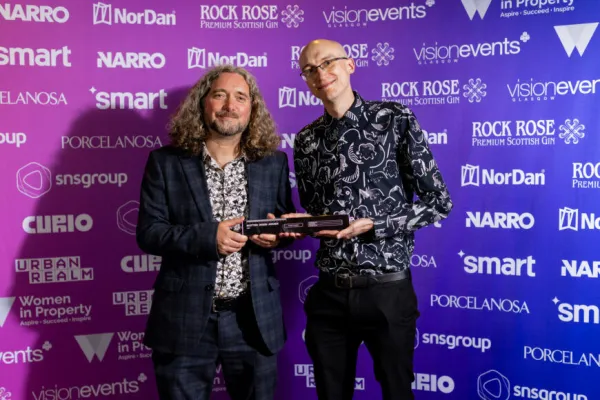
Include me 2 club SCIO at Social Enterprise scotland awards
From social enterprise to a wider movement
The growing focus on Inclusive Democratic Business Models (IDBMs) presents a significant opportunity.
Social enterprises, co-operatives, employee-owned businesses, community enterprises and other democratic business models operate differently but share important principles. At their best, they offer different relationships between business, ownership, workers, communities and the places in which wealth is created.
That has profound implications for Community Wealth Building. If we are serious about creating an economy where more wealth is retained and circulated within communities, then ownership matters. Procurement matters. Who controls assets matters. Where profits and surpluses go matters.
Recent research by the Women in Social Enterprise (WiSE) Collective provides a timely contribution to this debate. It found women-led social enterprises operating through alternative models rooted in care, collaboration, lived experience and place. Its conclusion is important: we do not necessarily need to invent new economic models; we need to recognise, resource and protect those already demonstrating different ways of creating economic and social value.
Community-led social enterprises demonstrate this particularly well. Across Scotland, communities own land and buildings, generate renewable energy, run shops and facilities, provide care and transport and create employment. They are not simply delivering projects; they are building local economic infrastructure.
Being part of the economy - not adjacent to it
The move of social enterprise within Scottish Government from a communities-focused directorate into the economy portfolio is significant.
For too long, social enterprise has been perceived primarily through the lens of community development or third-sector policy. I have even heard community social enterprises characterised, somewhat dismissively, as “nice places for cups of tea and doilies”. It stayed with me because it reveals how we misunderstand economic value.
Many community-led social enterprises have relatively small turnovers. But turnover alone tells us little about their contribution.
A community café might provide employment and volunteering opportunities, tackle isolation, provide affordable food, create routes into training, buy from local suppliers and provide space for community activity. It might also own or manage an important local asset.
Through a conventional economic lens, it may be a small business. Through the lens of Community Wealth Building, prevention and community benefit, it can be vital local infrastructure.
The WiSE research reinforces this point. It challenges approaches that prioritise scale, replication and turnover as the primary indicators of success, highlighting instead deeper, networked forms of growth built around community wellbeing, resilience and social connection.
Perhaps those places for “cups of tea and doilies” have been doing rather more economic heavy lifting than we realised.
Moving social enterprise into the economy portfolio therefore creates an opportunity to recognise these organisations as businesses, employers, purchasers and asset owners and bring them into mainstream conversations about investment, procurement and economic development.

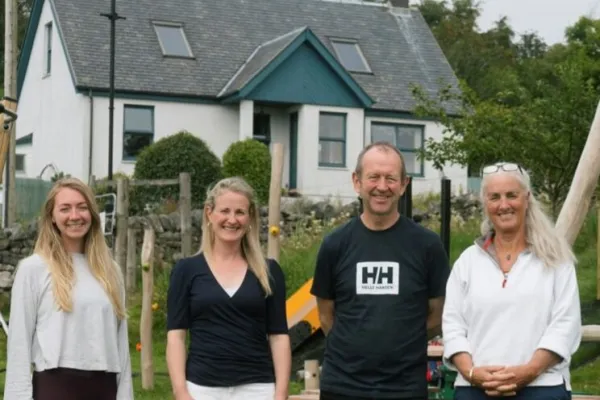
Inverness-based social enterprise New Start Highland
Protecting what makes social enterprise different
There is, however, a tension.
Greater recognition within economic policy should not require social enterprise to look more like conventional business to be taken seriously. Nor should we broaden social enterprise so far that we lose sight of what makes it different.
Scotland has developed a distinctive understanding of social enterprise: trading for social or environmental purpose, reinvesting profits and surpluses towards that purpose, independence and, across much of the sector, democratic governance and community accountability.
These characteristics determine not simply what an organisation does, but who ultimately benefits from the value it creates.
If almost any business demonstrating purpose or impact can be included within the social economy, we risk losing the very thing that makes it transformative. This is not about protecting labels. It is about protecting principles.
We should be broad enough to build a movement, but clear enough to know what that movement stands for. A wider IDBM approach gives Scotland an opportunity to connect social enterprise more directly with Community Wealth Building, economic development, Fair Work, procurement and public service reform. But ambition must be matched by investment and the right support.
The Woman in Social Enterprise (WiSE) Collective research makes this point powerfully, calling for funding and investment that recognise relational impact, community value and resilience rather than simply financial growth and scale. It also highlights the importance of patient capital and support designed around how social enterprises actually operate.
Government must also resist defining social enterprise around what is administratively convenient or fits current policy priorities. Social enterprises and the communities they serve need to be equal partners in shaping what comes next.
A wider IDBM strategy could put democratic, values-led business at the heart of Scotland’s economic future and give Community Wealth Building the ownership models and local infrastructure it needs to become a practical reality.
But as we broaden our horizons, we must hold on to what made social enterprise important in the first place. Because the opportunity is not simply to grow IDBMs. It is to change the economy."